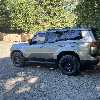
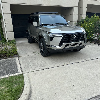
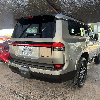
Shoulder tapped a colleague this week - “so how dark can I tint the front windows on my new GX. His answer - “nice rig doc - but the simple answer is NOT MUCH.”
As it turns out - in California - Penal Code 26708 limits “combined” VLT (visual light transmittance) of the front windows - meaning both the OEM glass and any applied tint in the front windows to 70%. Why? It’s is a safety measure to maintain visibility for drivers. (Which makes sense.) Personally I value visibility far more than “cool looks,” anyway.. but for me it’s more about UV and IR exposure for both the cars interior and its occupants.
From what I can decipher from the Penal code - certain medically conditions allow a darker tint up to 35% VLT - but require a physician / dermatologist/ or optometrist letter on person documenting a medical condition allowing front window tinting to that degree (melanoma, photosensitivity, albinism, etc.) AND - vehicles with this lower VLT (darker tint) are disallowed from being driven after dark.
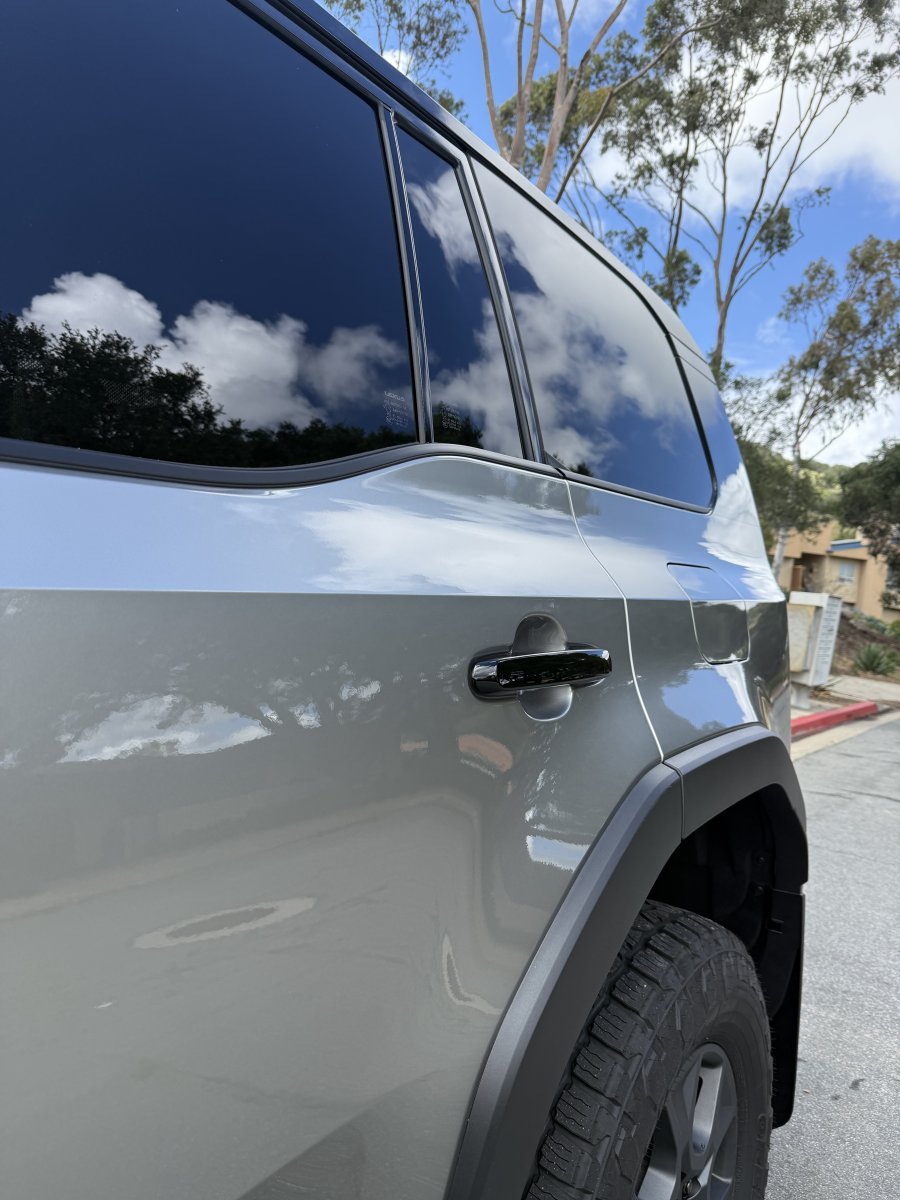
The good news is that for rear side and rear glass there are no VLT limits. Meaning you can go as dark as you like.
My approach after a hefty sigh and eye roll was to consider tinting the fronts to 70% to stay legal in Cali - mostly for UV protection over aesthetics, as this level of tint is “barely perceptible.” And then go a little darker in the back.
Why tint at all above the pleasant and visually appealing approach Lexus has already employed on these vehicles?
The simple answer apart from “it looks cool” is that reducing UV and IR into the vehicle translates to longer lifespan for the interior, and health benefits to the occupants.
As I understand the legal tint limits vary from state to state, and California is likely the most strict in this regard.
 Stay cool! E-med
As it turns out - in California - Penal Code 26708 limits “combined” VLT (visual light transmittance) of the front windows - meaning both the OEM glass and any applied tint in the front windows to 70%. Why? It’s is a safety measure to maintain visibility for drivers. (Which makes sense.) Personally I value visibility far more than “cool looks,” anyway.. but for me it’s more about UV and IR exposure for both the cars interior and its occupants.
From what I can decipher from the Penal code - certain medically conditions allow a darker tint up to 35% VLT - but require a physician / dermatologist/ or optometrist letter on person documenting a medical condition allowing front window tinting to that degree (melanoma, photosensitivity, albinism, etc.) AND - vehicles with this lower VLT (darker tint) are disallowed from being driven after dark.
The good news is that for rear side and rear glass there are no VLT limits. Meaning you can go as dark as you like.
My approach after a hefty sigh and eye roll
was to consider tinting the fronts to 70% to stay legal in Cali - mostly for UV protection over aesthetics, as this level of tint is “barely perceptible.” And then go a little darker in the back.Why tint at all above the pleasant and visually appealing approach Lexus has already employed on these vehicles?
The simple answer apart from “it looks cool” is that reducing UV and IR into the vehicle translates to longer lifespan for the interior, and health benefits to the occupants.
As I understand the legal tint limits vary from state to state, and California is likely the most strict in this regard.
Stay cool! E-med