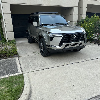
So, I am strongly considering buying a new 2026 GX 550 Overtrail. However this V35 engine recall has me a bit on edge as I keep my vehicles 10 to 14 years on average. I see the 2024 GX has been included in the recall along with many 2022-2025 Tundras. Toyota initially said the engine recall only affected the engines made in Alabama and engines made in Tahara were unaffected. If this is true, why are some of the 2024 GX 550’s now included in the recall. Are 2025 and 2026 GX 550’s soon going to be included in that recall?
I recently saw a YouTube video where a guy got a 2023 Tundra engine (38k miles) with a catastrophic failure and completely disassembled it. His analysis showed that metal filings were likely not the source of the failures because there were not metal filings distributed throughout the common oiled areas of the engine. Instead, there was significant wear/burning on the main crankshaft bearings which in his opinion was likely caused by insufficient lubrication. These engines use 20W oil vs. which is a much lighter weight oil than many engines use. This guy claims that this lighter weight oil in combination with high stress levels being put on a relatively small engine by a large truck/towing, combined with oil changes being stretched out too far, create a “perfect storm” resulting in catastrophic engine failure. If there is an inherent engine design problem, then this problem extends to all the V35 engines regardless of where they were produced.
A GX 550 is a lighter weight vehicle than a tundra but its still a relatively heavy vehicle. If most of these GX 550’s are “pavement pushers”, and most are not towing heavy boats or trailers, maybe this is why there have been far fewer failures in the GX 550’s vs the Tundra as they are not asked to power as heavy of a load. However, that still doesn’t mean your GX 550 engine is safe from a catastrophic failure once it reaches 50, 80, or 100k miles. This would be a nightmare scenario for me as I only drive about 8,000 miles per year. Unfortunately my warranty will run out based on time not mileage if or when an engine failure occurs. I am I wrong in my thinking on this?
I recently saw a YouTube video where a guy got a 2023 Tundra engine (38k miles) with a catastrophic failure and completely disassembled it. His analysis showed that metal filings were likely not the source of the failures because there were not metal filings distributed throughout the common oiled areas of the engine. Instead, there was significant wear/burning on the main crankshaft bearings which in his opinion was likely caused by insufficient lubrication. These engines use 20W oil vs. which is a much lighter weight oil than many engines use. This guy claims that this lighter weight oil in combination with high stress levels being put on a relatively small engine by a large truck/towing, combined with oil changes being stretched out too far, create a “perfect storm” resulting in catastrophic engine failure. If there is an inherent engine design problem, then this problem extends to all the V35 engines regardless of where they were produced.
A GX 550 is a lighter weight vehicle than a tundra but its still a relatively heavy vehicle. If most of these GX 550’s are “pavement pushers”, and most are not towing heavy boats or trailers, maybe this is why there have been far fewer failures in the GX 550’s vs the Tundra as they are not asked to power as heavy of a load. However, that still doesn’t mean your GX 550 engine is safe from a catastrophic failure once it reaches 50, 80, or 100k miles. This would be a nightmare scenario for me as I only drive about 8,000 miles per year. Unfortunately my warranty will run out based on time not mileage if or when an engine failure occurs. I am I wrong in my thinking on this?
Last edited: